Fire and Ice: Why KL is Hooked on Sauna and Cold Plunge
Cold plunge and sauna are now a date night, a run-club ritual and a wellness habit. Here’s why KL is hooked.
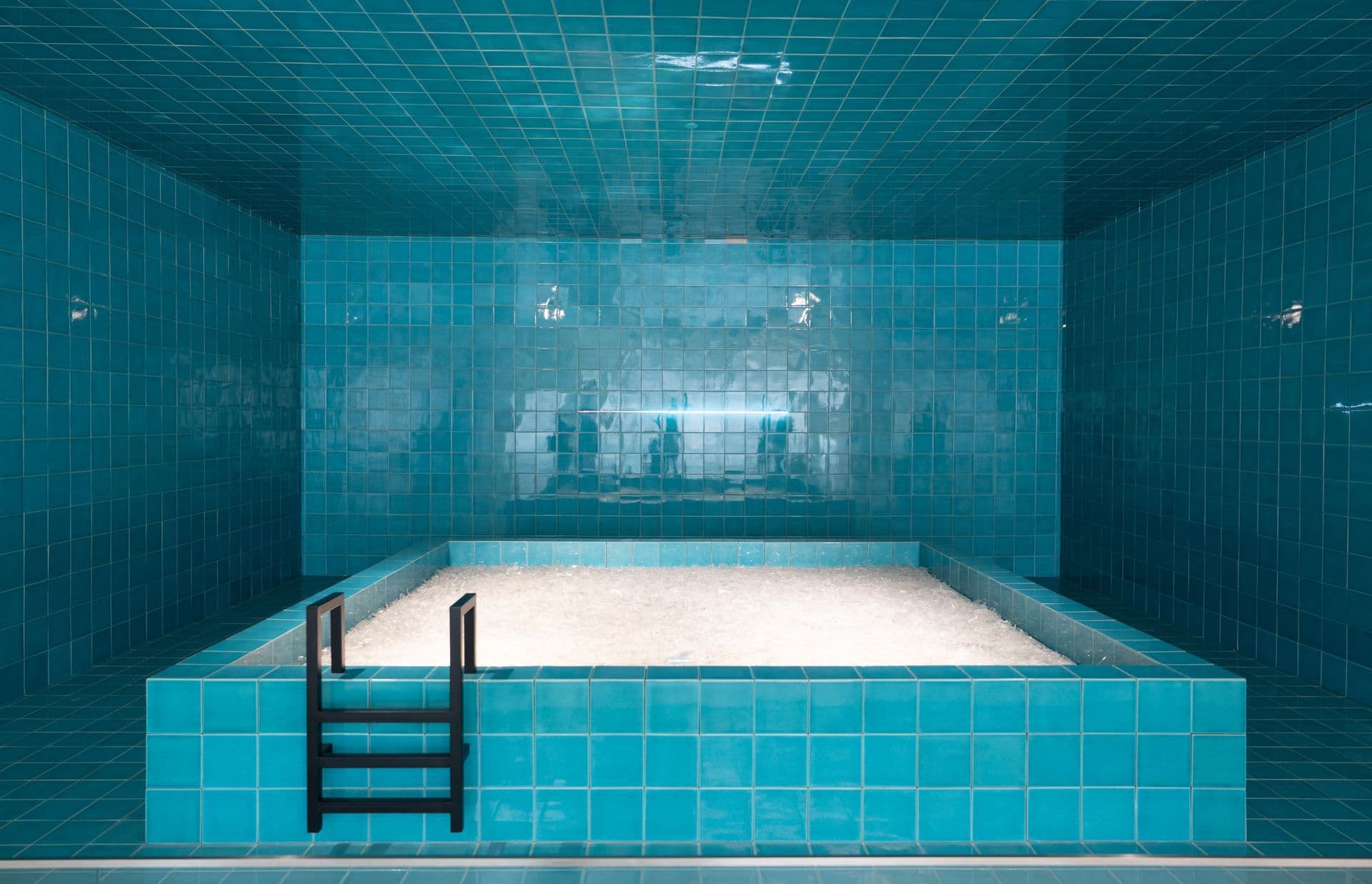
A few years ago, sitting in a tub of ice water on purpose sounded like something only pro athletes did. Today it's a Saturday plan in KL. Friends book a sauna-and-plunge session the way they used to book brunch, couples are turning it into date night, and run clubs are ending their weekend 10Ks shivering in a tub together.
It's one of the clearest signs of how wellness in Malaysia has changed. Feeling good is no longer just about the gym or the spa. It's about recovery, mood and routine, and the fire-and-ice ritual sits right in the middle of that.
So what's behind the craze, what is it actually like, and is it here to stay?
A very old idea with a new look
Hot-and-cold bathing is anything but new. Finns have been moving between sauna and icy lakes for centuries. Romans built bathhouses with hot, warm and cold rooms. In Japan, sauna fans chase a feeling they call totonou, the calm, floaty state after a round of heat, cold water and rest. Korea's jjimjilbang bathhouses have long mixed hot rooms with cold pools.
What's new is the packaging. The modern version is sleek and bookable by app, with mood lighting, Bluetooth speakers and timed sessions. A wave of podcasters, athletes and breathwork coaches made cold exposure feel like a challenge worth trying, and social media did the rest. Few things are as shareable as a video of someone gasping their way into an ice bath.
From athletes to everyone
In Malaysia, cold plunging first arrived through sports recovery and fitness influencers, and at first most people didn't get it. Polar Plunge, one of the first local ice-bath brands, went six months without a single sale because the idea was so unfamiliar. Things only picked up after an order came in from Singapore and fitness influencer Jordan Yeoh got in touch. (DollarsAndSense)
That curiosity has since become a habit. Studios like Rise & Plunge, which calls itself Malaysia's first dedicated contrast therapy studio, now run several outlets around the Klang Valley and one in Johor Bahru. Infrared sauna spots have added cold plunges to their menus, and gyms and fitness studios are putting tubs next to their changing rooms.
Today's crowd is far broader than athletes. On any given evening you might find:
- Office workers looking for a reset after a long day in front of a screen
- Runners and gym-goers treating it as part of their recovery routine
- Couples and friends booking it as something different to do together
- The wellness-curious who saw it online and want to see what the fuss is about
What actually happens in a session
The ritual is called contrast therapy, and it's simpler than it sounds:
- Heat up. Spend 15 to 20 minutes in a sauna until you're properly sweating.
- Cool down fast. Step into cold water, usually somewhere between 3°C and 10°C, for one to three minutes. Your body will want to gasp. Slow breathing helps.
- Rest. Sit for a few minutes and let your body warm back up on its own.
- Repeat. Most people do two to four rounds, often ending on cold.
A full session usually takes 45 to 75 minutes, with towels and a shower included.
Fans describe a rush of energy after the plunge, followed by a calm, clear-headed feeling. Many say it eases muscle soreness after exercise and helps them sleep better. Research on cold exposure and sauna use is growing, and some benefits like short-term mood and soreness relief have decent support, while bigger claims are still being studied. For most regulars, the feeling itself is the reason they keep coming back.
A word of caution: the sudden cold puts real stress on the heart. If you have a heart condition, high blood pressure, or are pregnant, check with a doctor first.
Infrared or traditional sauna?
You'll see both in KL, and they feel quite different.
- Traditional sauna heats the air, usually to 80–90°C. It's intense and steamy if you pour water on the stones, and it's the classic Nordic experience.
- Infrared sauna warms your body directly with infrared light, so the room stays cooler, around 45–60°C. The heat builds more gently, which many first-timers find easier.
Infrared has proven especially popular in Malaysia, with chains like sweatspa building a following around it. (Zafigo) In a hot, humid country where few people grew up with saunas, a gentler start makes sense.
Your first time: tips from regulars
Nervous? Most studios walk first-timers through it, but a few tips help:
- Eat light and hydrate. Don't go in on a full stomach, and drink plenty of water before and after.
- Start short. Thirty seconds in the plunge is a win on day one. You can build up later.
- Breathe out slowly. Long exhales help you through the first shock of cold.
- Don't push through dizziness. Step out if you feel lightheaded.
- Bring a friend. It's more fun, and many studios offer couple or group rooms.
- Skip alcohol. Heat and alcohol don't mix.
Why it clicks in Malaysia
A few things make KL a natural fit for the trend:
- The heat. In a city that sits around 30°C and humid all year, the cold half is an easy sell. Plenty of people come for the plunge and only later learn to love the sauna.
- It's social. Run clubs and fitness groups now build events around recovery. One Bukit Damansara event paired a coached 5km run with 90 minutes of sauna and cold plunge for a small group. (Luma)
- Privacy matters. Many studios offer private solo and couple rooms, which suits first-timers and anyone who prefers more modesty than a shared space allows.
- Malls make it easy. Several studios sit inside malls, with air-conditioned access, easy parking, and a coffee or meal right after.
- Wellness is a lifestyle now. Contrast therapy fits neatly beside Pilates, padel, protein shakes and matcha in the modern KL routine.
Where it's heading
Right now, most dedicated studios sit in a handful of neighbourhoods like Mont Kiara, Bangsar, Bukit Damansara and Desa ParkCity. As more people get hooked, expect the trend to move outward into suburbs like Subang, Puchong, Cyberjaya and Setia Alam, where gyms and run clubs are already thriving.
A few other shifts are worth watching:
- Social sauna clubs. Shared, community-style spaces where people chat between rounds, more like a hangout than a spa.
- Plunges everywhere. More gyms, Pilates studios, hotels and sports venues adding a tub or sauna as an extra.
- Plunging at home. Local brands now sell cold plunge tubs and home saunas, and some studios offer home installation.
- Add-ons and pairings. Red light therapy, breathwork classes and recovery lounges are joining the menu.
Singapore offers a peek at what's next. It already has everything from simple ice-bath spots to members-only sauna clubs with their own cafés. (TheSmartLocal) KL is still early in that journey.
So, fad or here to stay?
All signs point to staying. The ritual is centuries old, it fits Malaysia's climate and social habits, and it has grown from a niche curiosity into something people book every week. The way it's offered will keep changing. The basic appeal of feeling great after a few minutes of hot and cold probably won't.
Thinking of taking the plunge as a business?
Whether you want to open a recovery studio or add a plunge to your gym or spa, it pays to know who's already nearby and what they charge before you spend. Looma can map it for you. Get a report on your market.